


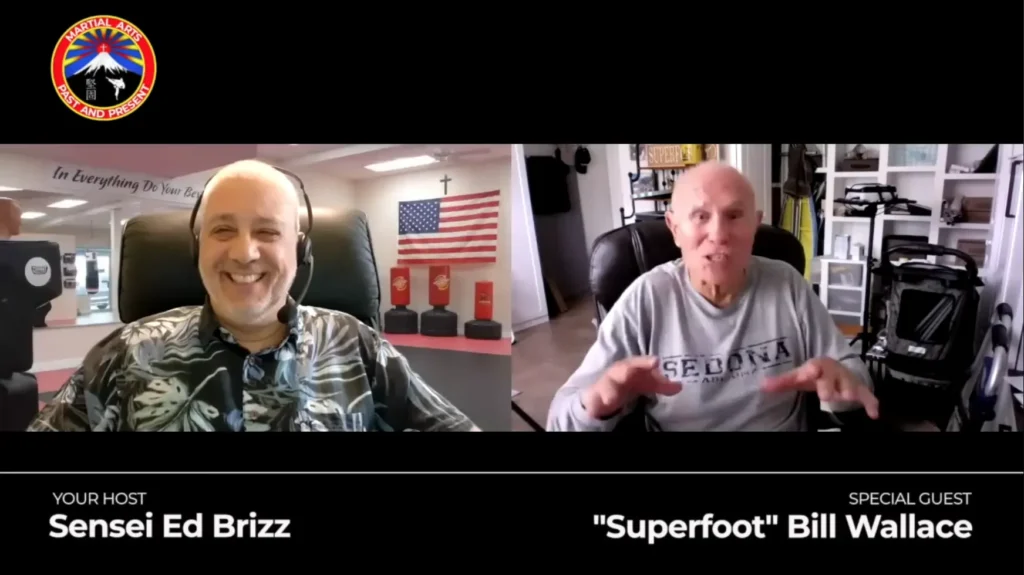
The Martial Arts Past and Present podcast featuring Sensei Ed Brizz interviewing Bill "Superfoot" Wallace.
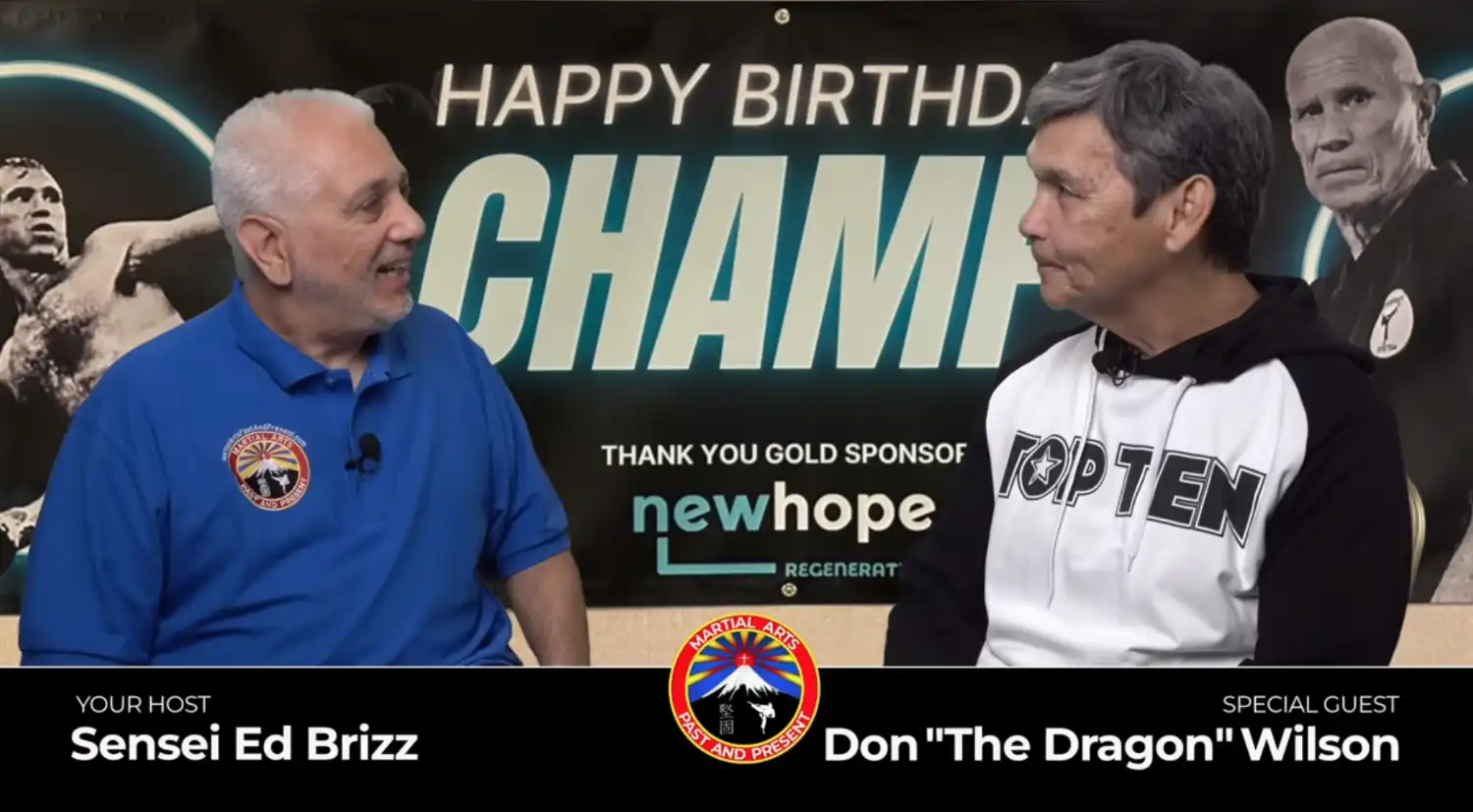
Sensei Ed Brizz (Brizzolara) was referred to me by a mutual friend. Having invested over 40 years of his life to the martial arts, Ed felt that so much has changed over the years and history was being lost to time. He wanted to connect with martial artists all over the world to hear their take on what things were like when they were younger, how they got involved, and what made them want to pursue a life in the martial arts. Discussions of what it was like when they were learning, what the tournament landscape is like today, how it has changed over the years, and what they to see the future hold, are all touched on throughout the 24 episodes recorded over 12 months between 2025 and 2026.
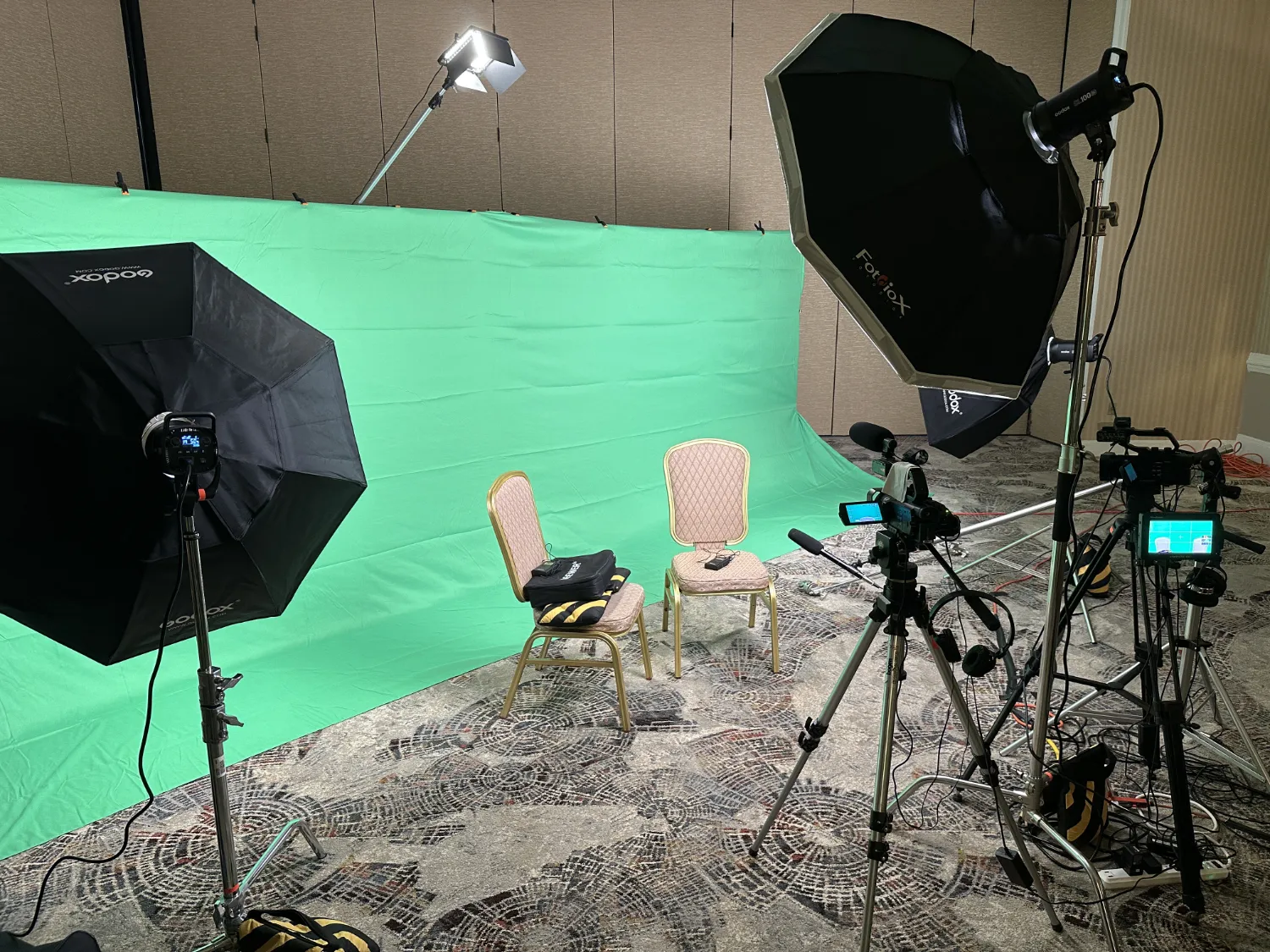
Due to the host, guests, and crew (me) being in various locations around the United States, all but two episodes were recorded over Zoom. With a bit of a budget in mind, Ed was set up with an inexpensive but decent microphone headset as well as a higher quality camera to replace his lackluster laptop camera.


 Ed needed something printed to promote the podcast. He did his best in the beginning with some self-design cards that he cut out himself on card stock. They worked as a temporary solution, but were lacking in professional design and quality. His cards were predicated on his impression that business cards would cost a small fortune. I surprising Ed with a price far below what he expected. A full-color two-sided card design followed. It allows easy access to the show's YouTube channel via QR code. just below the large logo and simple call to action.
The card's reverse summarized the show, provided contact information, and highlighted the different ways to access the podcast. Ed was thrilled with the cards and commented on how good the thick card stock felt in his hands, especially compared to his attempt at graphic design.